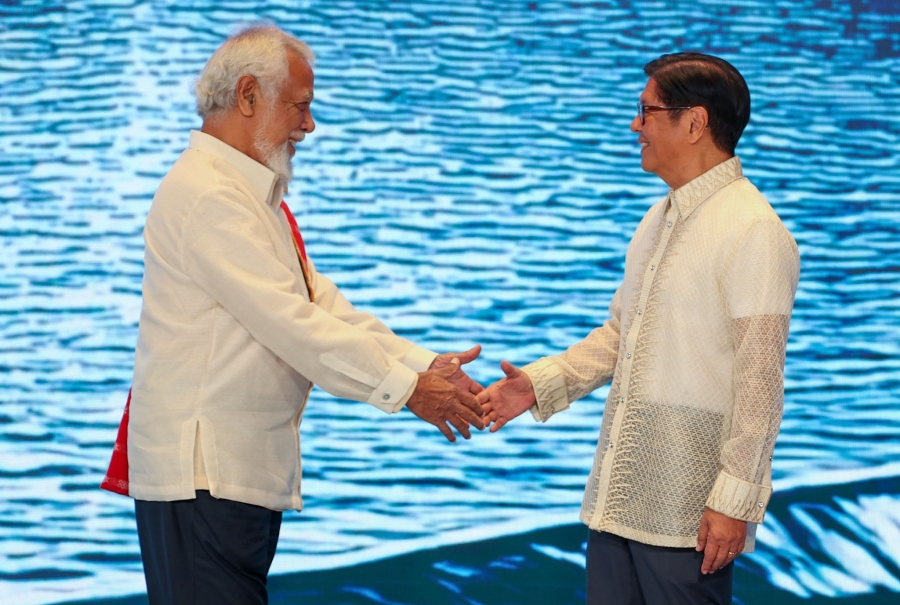
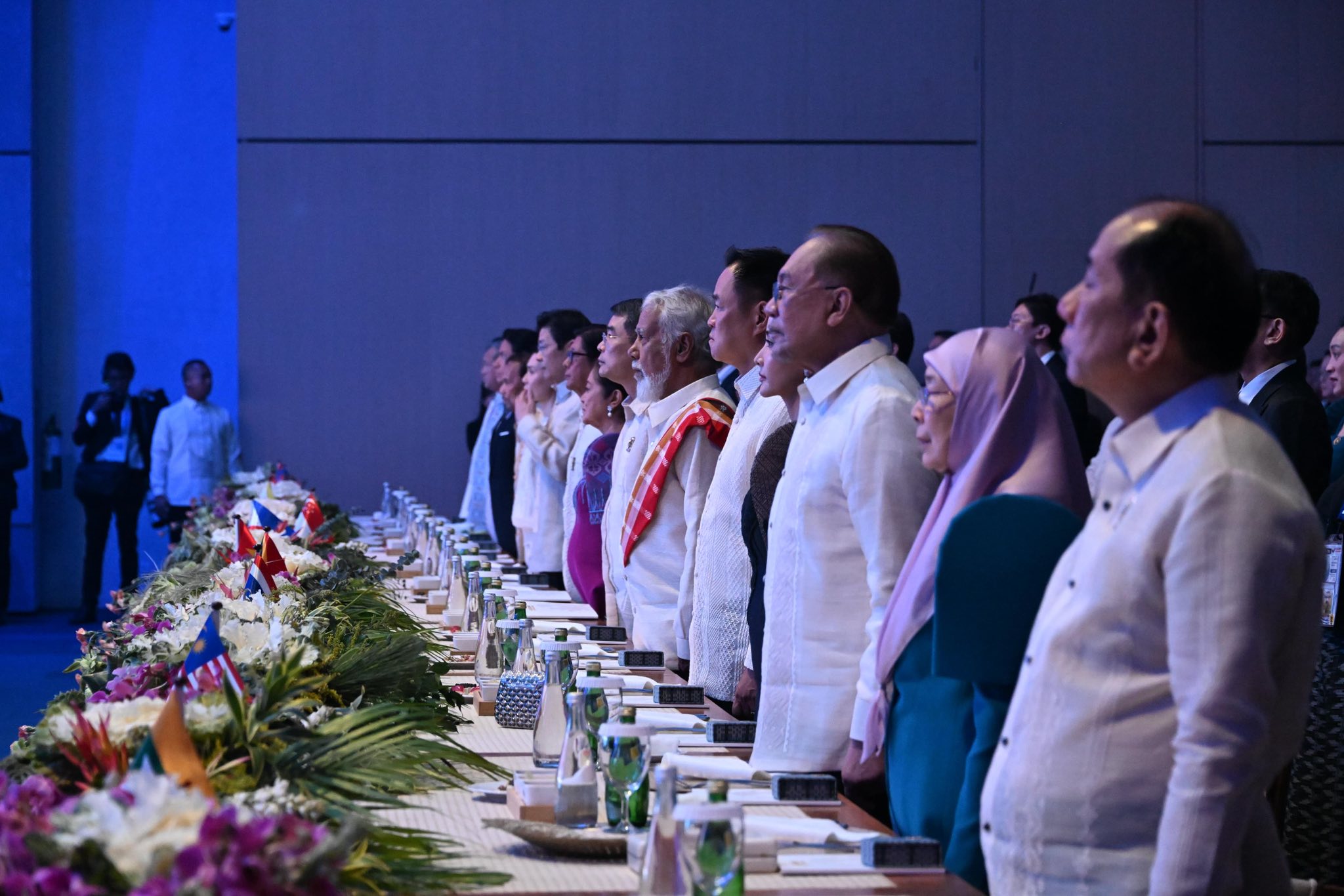
According to regional media reports, summit discussions focused heavily on energy security, fuel supply stability and the economic impacts of ongoing US-Israel and Iran conflict.
Philippine President Ferdinand Marcos Jr. said ASEAN leaders would prioritise “energy security, food security, and the safety of ASEAN nationals across the world” during meetings in Cebu.
Reuters reported that ASEAN leaders discussed regional fuel reserves, oil-sharing frameworks and expanding the ASEAN Power Grid initiative to strengthen long-term energy resilience across Southeast Asia.
The discussions come as Timor-Leste faces rising fuel costs and supply concerns linked to global instability.
Earlier this year, the Council of Ministers approved emergency fuel measures, including capped fuel prices and the purchase of approximately 80 million litres of diesel to strengthen national reserves.
Timor-Leste has been working to step up its participation and involvement in ASEAN affairs. At a Council of Ministers meeting on 30 April, the government approved a series of measures linked to ASEAN integration, including preparations to join the ASEAN Framework Agreement on Visa Exemption to make travel easier for government officials and representatives attending ASEAN meetings and events.
The government also approved the establishment of Timor-Leste’s Permanent Representation to ASEAN in Jakarta to strengthen diplomatic coordination and day-to-day engagement with the regional bloc, according to a Council of Ministers statement issued following the meeting.
Government officials say participation at the ASEAN summit reflects Timor-Leste’s growing role in regional cooperation and economic integration across Southeast Asia.