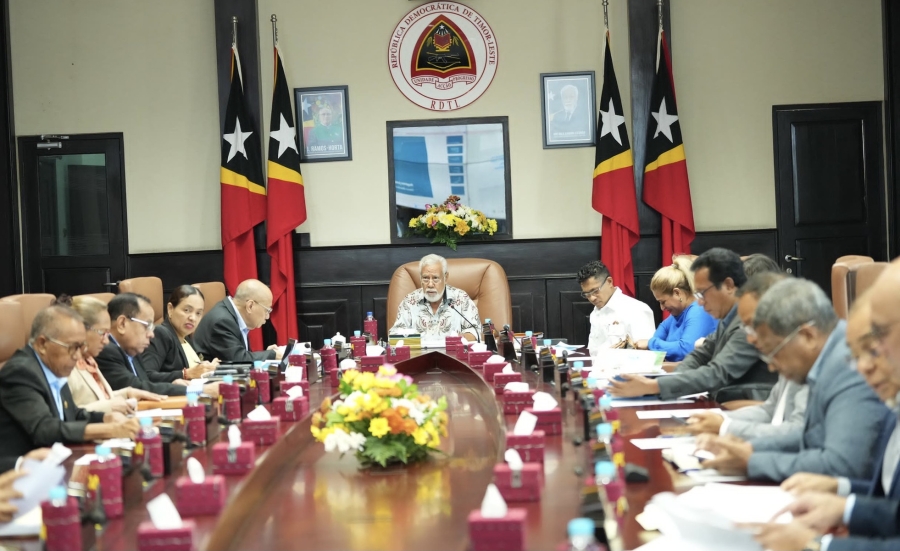
The measures, approved at a cabinet meeting on May 13, include the closure of martial arts training facilities, increased police patrols in high-risk areas, and instructions for local leaders to report suspected activity to authorities, the statement said.
According to the government communiqué, the decision was taken in response to recent violent incidents, including a confrontation in Mehara, Tutuala Administrative Post on May 10, which “may have resulted in the death of a citizen”.
The statement described the measures as “exceptional, proportionate and preventive”, aimed at preventing further escalation of violence linked to organised youth groups.
The Council of Ministers did not provide details on how long the suspension will remain in place, nor did it outline specific penalties for non-compliance.
Martial arts groups have long been associated with cycles of youth violence in Timor-Leste, particularly since the 2006 political crisis. According to previous government statements and parliamentary records, similar nationwide suspensions were imposed in 2023 following deadly clashes that left several people dead and dozens injured.
Civil society organisations and researchers have previously cautioned that while bans may reduce immediate tensions, they do not necessarily address underlying causes such as unemployment, social inequality and the politicisation of youth networks, according to academic studies and NGO reports.